


Valhalla Museum
Tucked within Tresco Abbey Garden, the Valhalla Collection brings together some 30 ship’s figureheads, alongside nameboards and decorative carvings from the great age of sail.
Scilly’s waters have long been treacherous. Over centuries, ships - and lives - were lost on these rocky shores. It was from such wrecks, largely merchant vessels, that the collection began to take shape around 1840 under Augustus Smith of Tresco Abbey, then Lord Proprietor of the Islands.
The figureheads represent the final chapter of a tradition stretching back more than 3,000 years. From ancient times, ships’ prows were adorned with carved human or animal forms - symbols of protection, pride or power. As ship design evolved, so too did the carvings: their scale, style and character reflecting changing hulls and fashions.
Most of the Valhalla figureheads date from the mid- to late-19th century and once belonged to merchant sailing ships or early steam vessels that were wrecked around the Isles of Scilly. Together they form a poignant cross-section of working ships - modest in scale, yet rich in story - distinct from the grand naval examples held in national collections such as the National Maritime Museum.
Valhalla can be explored as part of your visit to the Abbey Garden. Since becoming part of the National Maritime Museum collection in 1979, it is their expert conservators who travel to Scilly to care for these important historical objects. You can support their important work here.

Tresco Abbey Garden
Our 19th Century garden, home to 20,000 species from across the globe, thriving just off the coast of Cornwall

Visit on a Day Trip
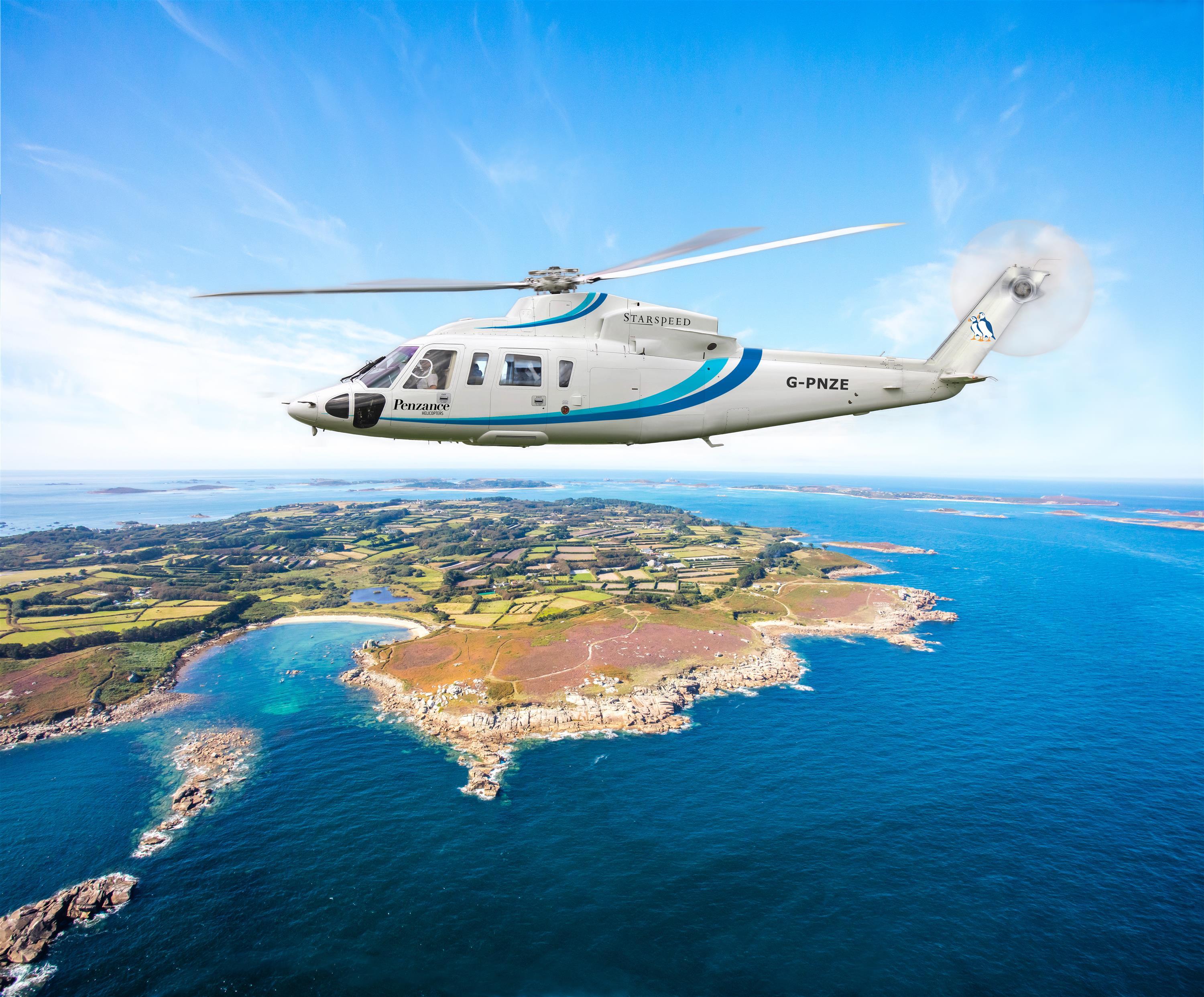
Discover a day trip to Tresco Island - a unique day out from Cornwall, just a 15 minute helicopter flight away
Tresco is somewhere else altogether - a completely independent entity with its own unique and precious culture. Not just paradise on earth, it's paradise in Britain.
The Independent